
Dental Implants
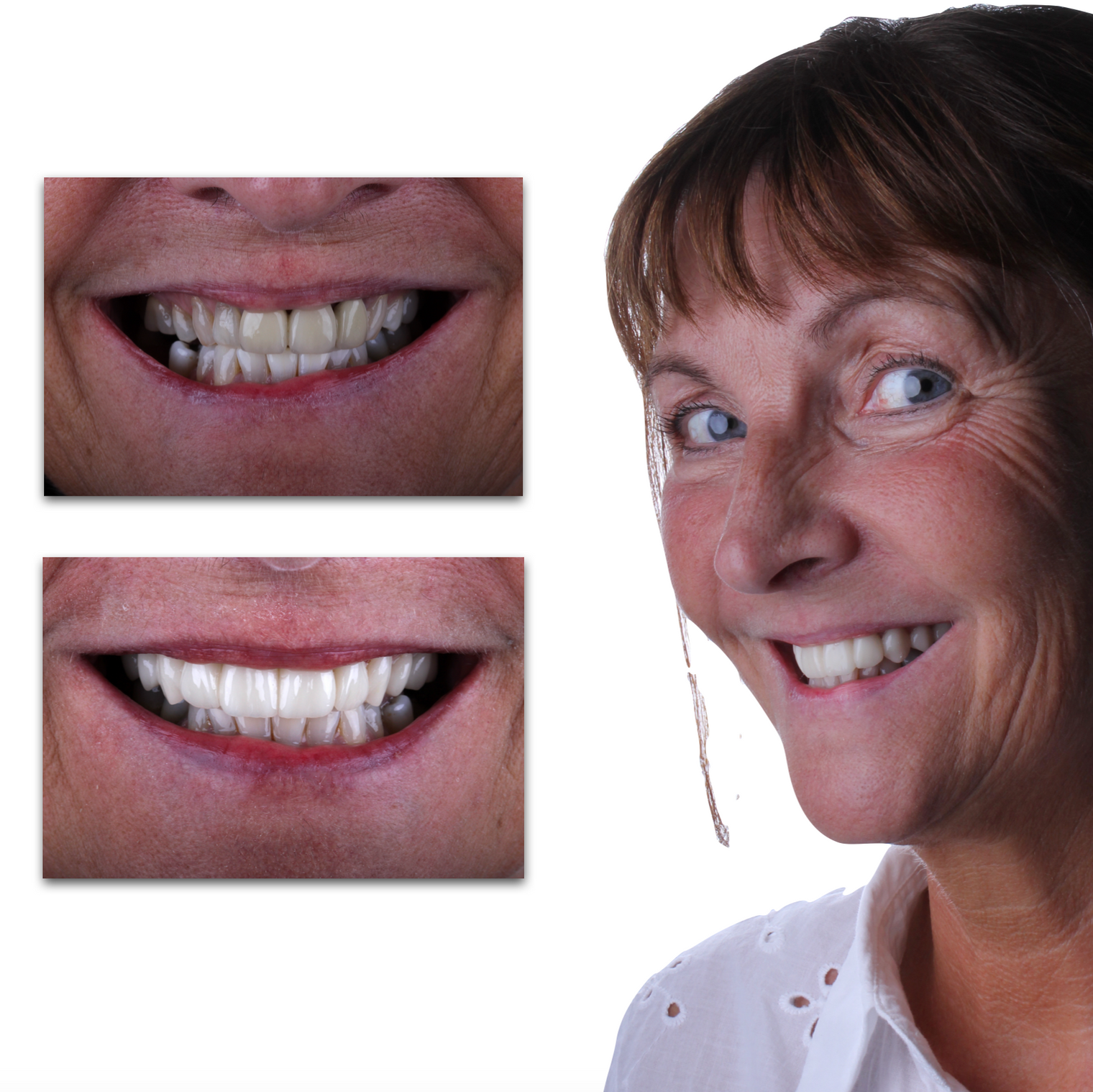
Individually planned dental implants for replacing one tooth, several teeth or supporting a more extensive dental restoration
A foundation for replacement teeth.
A dental implant is a small component placed within the jawbone to support a crown, bridge or denture. It replaces the support normally provided by a natural tooth root.
Implants can be used in several ways:
• a single implant and crown to replace one missing tooth;
• an implant-supported bridge to replace several teeth;
• implants to improve the stability of a removable denture; or
• multiple implants supporting a fixed full-arch bridge.
The appropriate solution depends on your dental health, available bone, bite and wider treatment objectives.
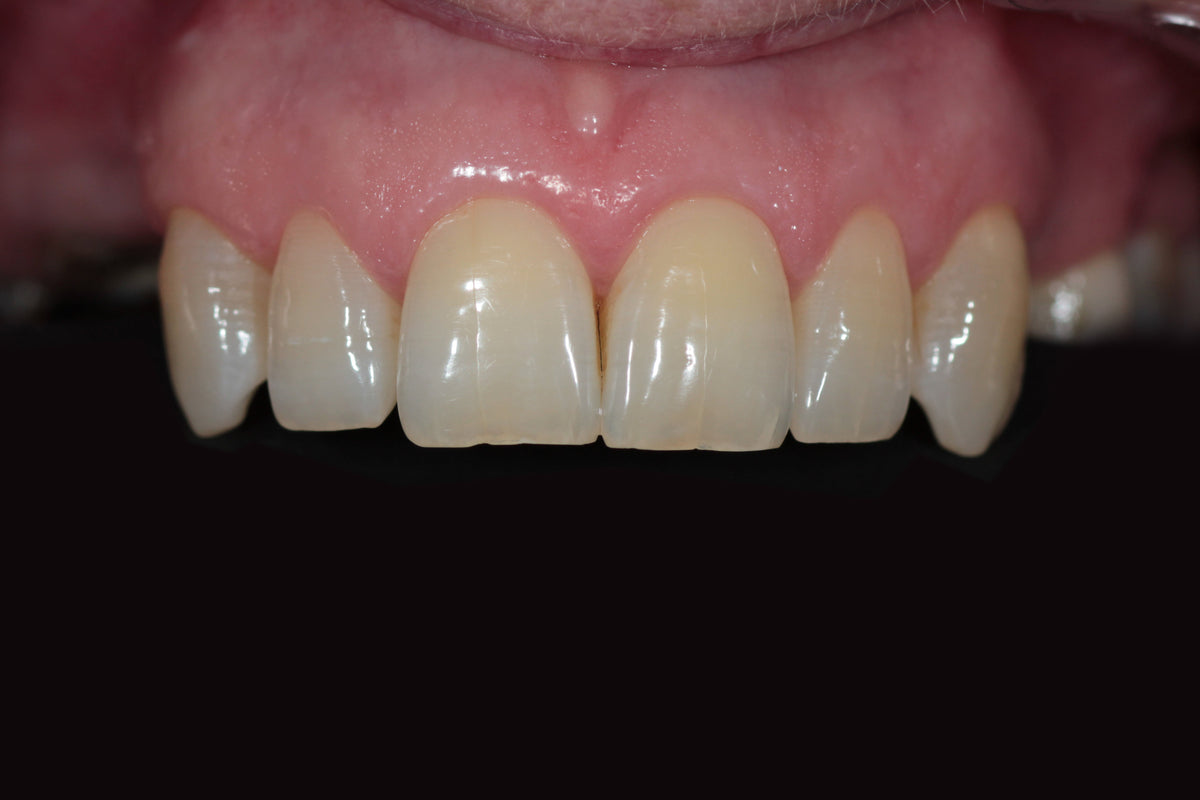

THE PROCESS
From assessment to restored tooth.
01 · Consultation and assessment
We discuss your concerns, examine your teeth and gums and review your medical and dental history. Appropriate scans and imaging may then be arranged.
02 · Digital planning
The intended tooth position, available bone, bite and surrounding anatomy are considered together. We will explain the proposed treatment, alternatives, risks, timescale and fees.
03 · Implant placement
The implant is placed within the jaw under appropriate anaesthesia. Guided surgery may be used where it offers a clinical advantage.
04 · Healing
Time is allowed for the implant to integrate with the surrounding bone. A temporary tooth or restoration may be provided where appropriate.
05 · Final restoration
Once healing is satisfactory, the implant crown, bridge or denture is produced and carefully assessed for fit, appearance and function.
06 · Maintenance
Your implant and restoration will require daily cleaning and continuing professional review. Components may wear and require maintenance or replacement over time.
Frequently Asked Questions
Dental Implants
Am I suitable for a dental implant?
Am I suitable for a dental implant?
Suitability depends on your general health, gum health, available bone, oral hygiene, smoking status and the condition of the surrounding teeth. An appropriate examination and imaging are required.
Is implant placement painful?
Is implant placement painful?
Implant placement is carried out with appropriate anaesthesia. Some discomfort, swelling or bruising is expected afterwards, although the degree varies between patients.
How long does treatment take?
How long does treatment take?
Treatment commonly takes several months because the implant must be given time to integrate with the bone before the final restoration is completed. More complex cases may take longer.
Will I need a bone graft?
Will I need a bone graft?
Not every patient requires grafting. It may be recommended where there is insufficient bone to position and support an implant appropriately. This can only be determined after assessment and imaging.
What is guided implant surgery?
What is guided implant surgery?
Digital scans and three-dimensional imaging are used to plan the implant position. A custom guide can then help transfer that plan to the mouth during surgery. Guided surgery assists clinical judgement but does not replace it or remove surgical risks.
How long will a dental implant last?
How long will a dental implant last?
Dental implants are not lifetime devices. Their longevity is influenced by health, smoking, cleaning, bite forces and attendance for maintenance. The implant or restoration may require treatment, repair or replacement over time.
Will I need a bone graft?
Will I need a bone graft?
Not every patient requires grafting. It may be recommended where there is insufficient bone to position and support an implant appropriately. This can only be determined after assessment and imaging.
What are the risks?
What are the risks?
Risks can include discomfort, swelling, infection, delayed healing, damage to nearby structures, altered sensation and failure of the implant to integrate. Longer-term problems can include inflammation, bone loss or mechanical wear. Your individual risks will be discussed before treatment.
Do I need to keep seeing my regular dentist?
Do I need to keep seeing my regular dentist?
Yes. Market Cross Dental is a referral practice, and patients must remain under the routine care of a current general dental practitioner.
Dental Implants
Begin with a complete assessment.
Your consultation will establish whether implant treatment is appropriate, explore the available alternatives and provide a clear, individual treatment plan.